5 Summer Foods To Lower Blood Sugar
Black women face the highest rates of type 2 diabetes among all racial and ethnic groups in the U.S.
These statistics tell a deeper story about the urgent need to reclaim your health and nourish your body with the nutrients it deserves. Your wellness journey is uniquely yours, but the choices you make daily create lasting impact.
Fuel your body with fresh, whole foods that honor your well-being. Summer brings the year’s most vibrant, nutrient-dense produce, powerful allies for blood sugar balance, metabolic health, and steady energy.

The Science Behind Summer Foods and Blood Sugar
Your metabolism is your body’s internal engine. It converts food into energy which regulates blood sugar levels. When this system gets disrupted—whether from chronic stress, lack of movement, or poor nutrition—your risk for conditions like type 2 diabetes increases.
Science has shown that seasonal, whole foods don’t just taste better; they lower blood sugar and deliver key nutrients that processed foods often lack. Adding more nutrient-rich, seasonal produce to your meals is a simple way to support your metabolism and feel your best.
5 Foods That Support Healthy Blood Sugar Levels
Here are 5 summer superfoods to add to your grocery list that’ll help lower blood sugar, increase energy levels, while making you feel and look good.
Watermelon: Natural Hydration
Summer heat plus metabolic stress can leave Black women especially prone to dehydration—which can slow down your metabolism. Watermelon is 92% water, making it an excellent hydration source. Proper hydration is essential for healthy blood sugar regulation.
Watermelon contains L-citrulline, an amino acid that research suggests may support healthy blood pressure levels. It also provides lycopene, an antioxidant that may help reduce inflammation.
Leafy Greens: Iron-Rich Metabolism Boosters
Iron deficiency is especially common among women of reproductive age —and Black women are disproportionately affected. Leafy greens are a powerful source of both heme and non-heme iron, plus folate and B vitamins that support energy production and metabolic health.
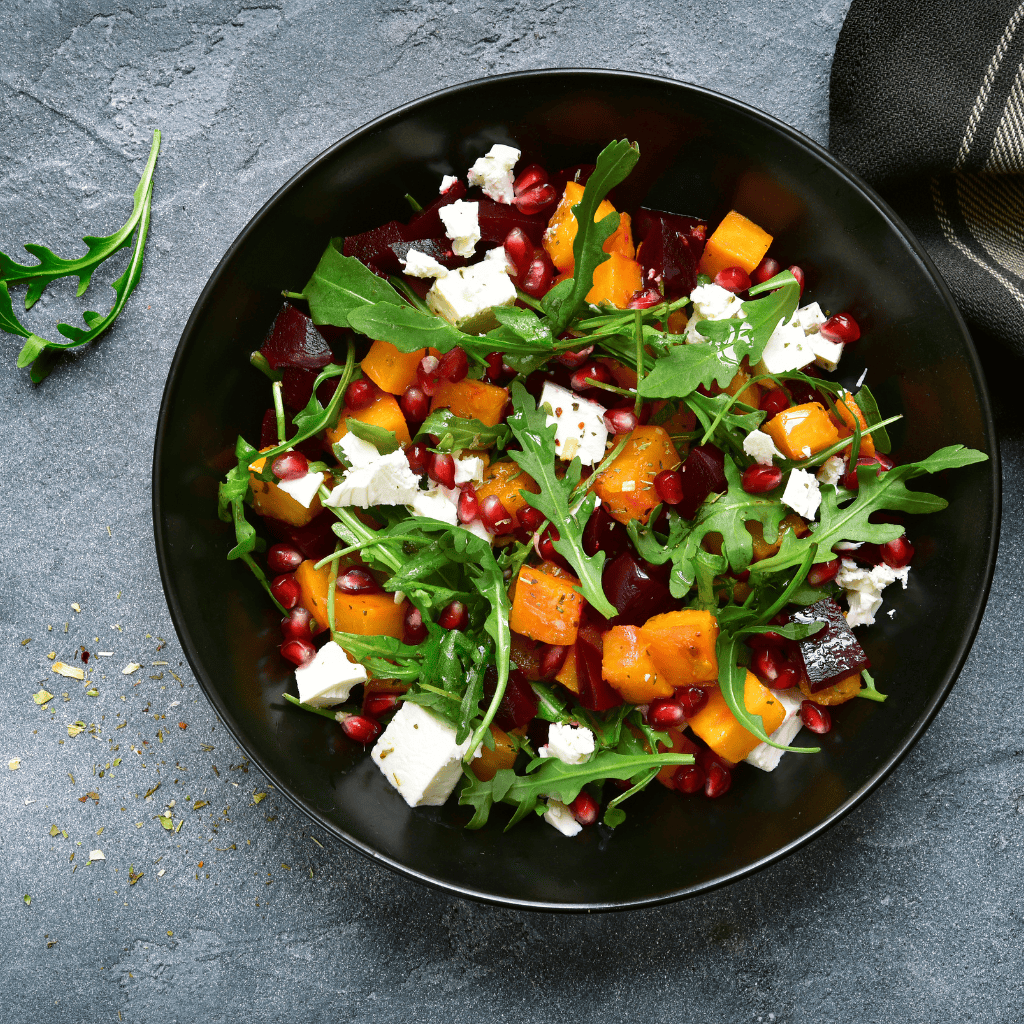
Try adding these nutrient-dense greens to your plate. You can add a handful to smoothies or sauté with garlic as a simple dish:
- Collard Greens: Provide iron, calcium, and vitamin K
- Spinach: Contains magnesium, which plays a role in glucose metabolism
- Kale: A great source of vitamin K, which enhances iron absorption
- Arugula: Contains nitrates that may support cardiovascular health
Berries: Fiber-Packed Antioxidant Powerhouses
Berries are among the most antioxidant-rich foods available. They’re also high in fiber, which helps slow blood sugar spikes after meals.
What the research suggests:
- Blueberries: May improve insulin sensitivity with regular consumption
- Blackberries: High in fiber, supporting gut health and steady blood sugar
- Strawberries: Rich in vitamin C and folate for immune and metabolic support
- Raspberries: Contain anthocyanin, a plant compound linked to anti-inflammatory benefits
While promising, berry research is ongoing, and I can’t wait for more to be discovered!
Cucumber: The Ultimate Hydrating Mineral Sources
Cucumbers are made up of 95% water and offer small but helpful amounts of potassium and vitamin K. Staying hydrated is essential for metabolic function, and cucumbers make it easy, especially during summer heat.
Infuse your water with cucumber, mint, and lemon for a refreshing, sugar-free drink that can be sipped all day!
Iced Green Tea: Your Metabolism-Supporting Ritual
Green tea contains catechins, antioxidants that some studies suggest may support healthy blood sugar levels. It also contains L-theanine, an amino acid that research shows may promote relaxation without drowsiness.
Brew a batch in the evening, let it chill overnight, and pour it over ice in the morning. Come back to this post and let us know how it feels!
In summary
No single food can prevent or treat diabetes, but the foods that you choose to eat matter. Prioritizing nutrient-dense, whole foods—especially seasonal produce—can better support blood sugar balance and metabolic health.